My Approach
Designing learning with purpose.
Great curriculum is more than a collection of lessons. It's a carefully designed learning experience.
I use a learner-centered design process to transform standards, objectives, and real-world challenges into engaging instruction. Every project balances creativity with evidence-based practice through clear learning outcomes, authentic assessment, differentiated supports, and thoughtful visual communication.
The projects below demonstrate my approach to curriculum development, instructional design, assessment creation, and learning experience design across Pre-K–12 education.
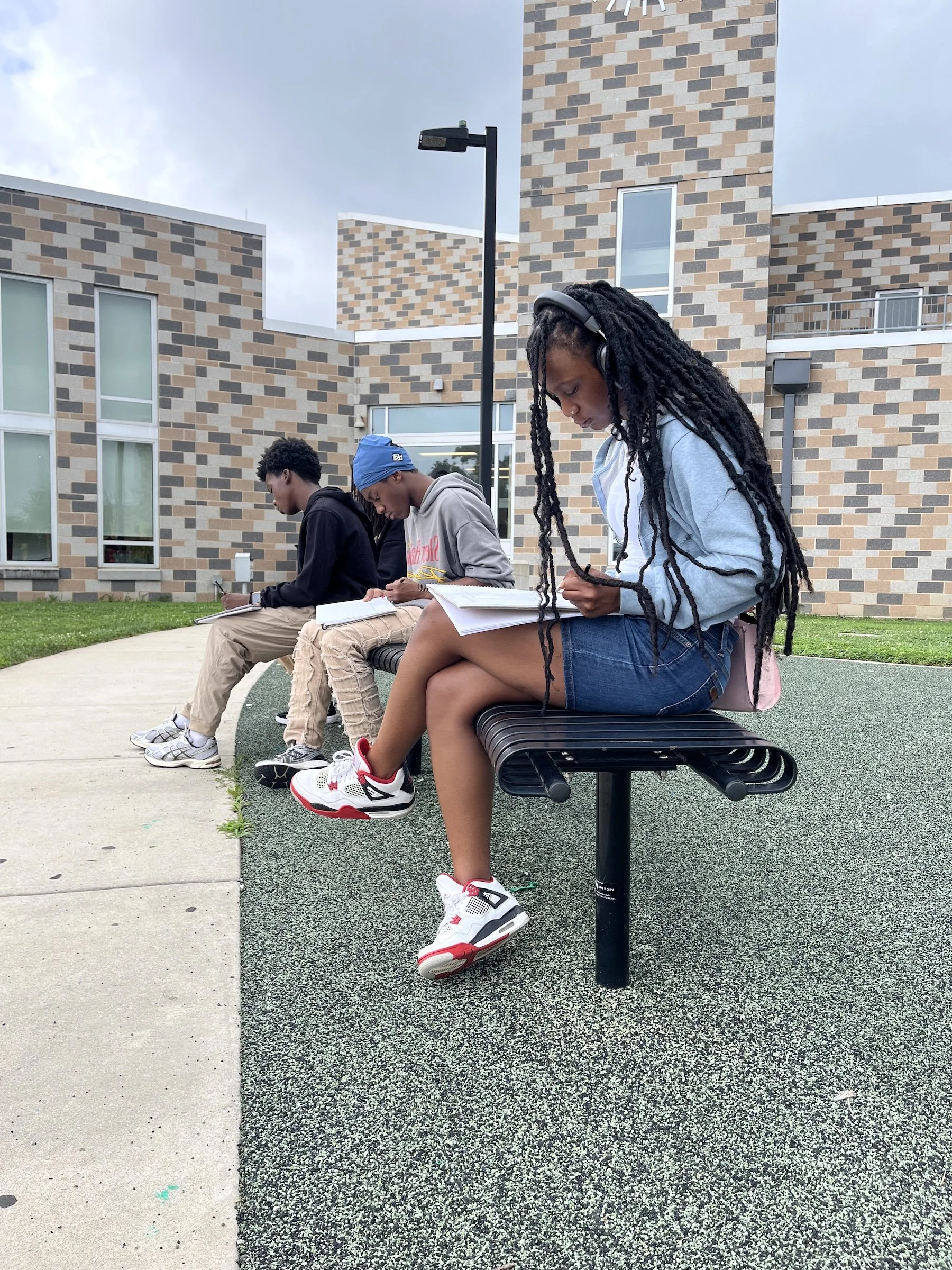
Discover
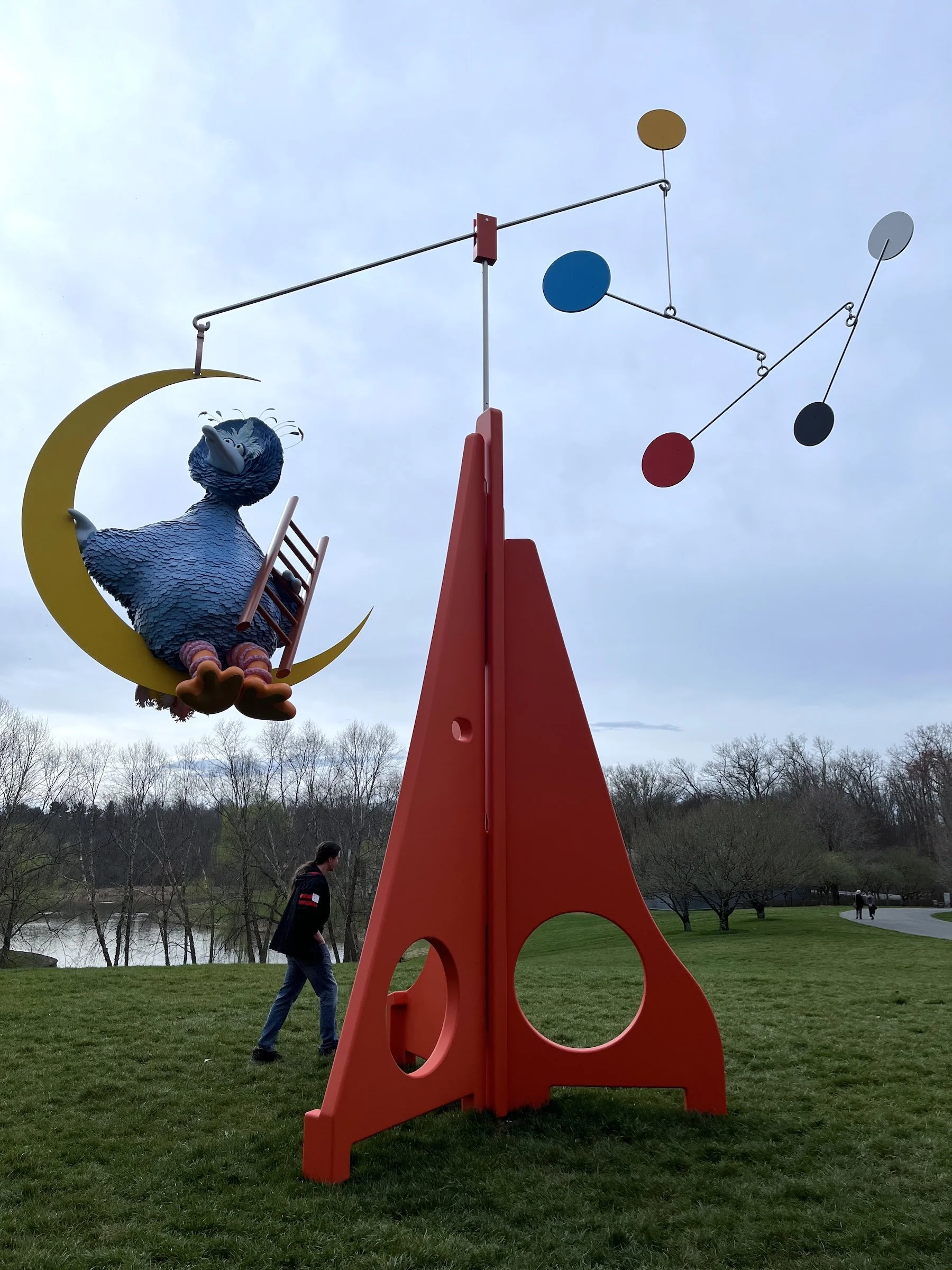
Discover
Identify learner needs -
Analyze standards -
Define outcomes -
↓
Discovery Process
Listen
*
Listen *
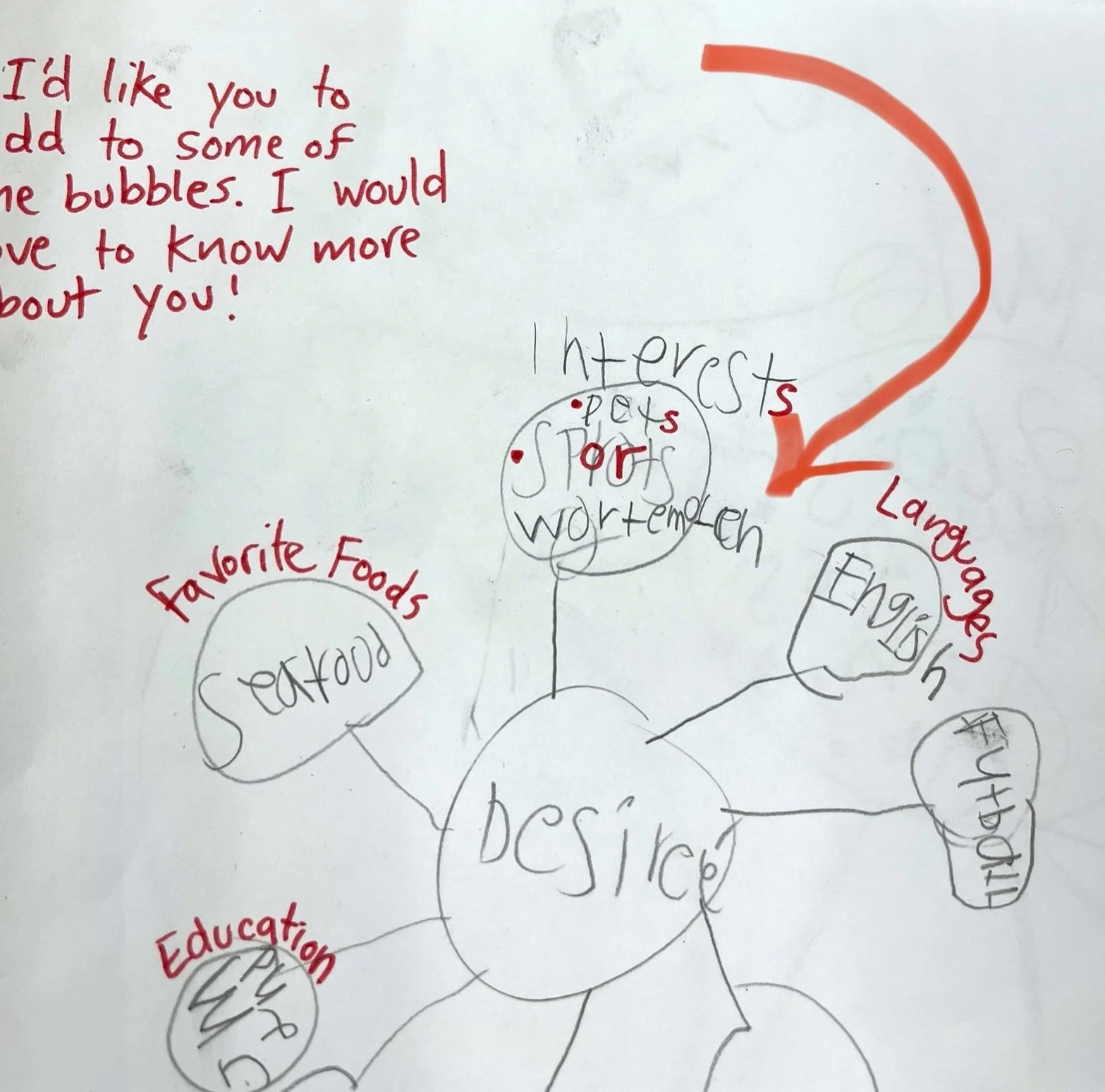
Analyze
*
Analyze *
Standards, audience, constraints, materials, goals, and learning gaps are reviewed to establish the foundation for the work.
Learning experiences are designed to be structured, accessible, engaging, and visually clear.
Before I design a lesson, curriculum unit, or learning experience, I begin by understanding the learner, the context, the standards, and the problem the instruction needs to solve.
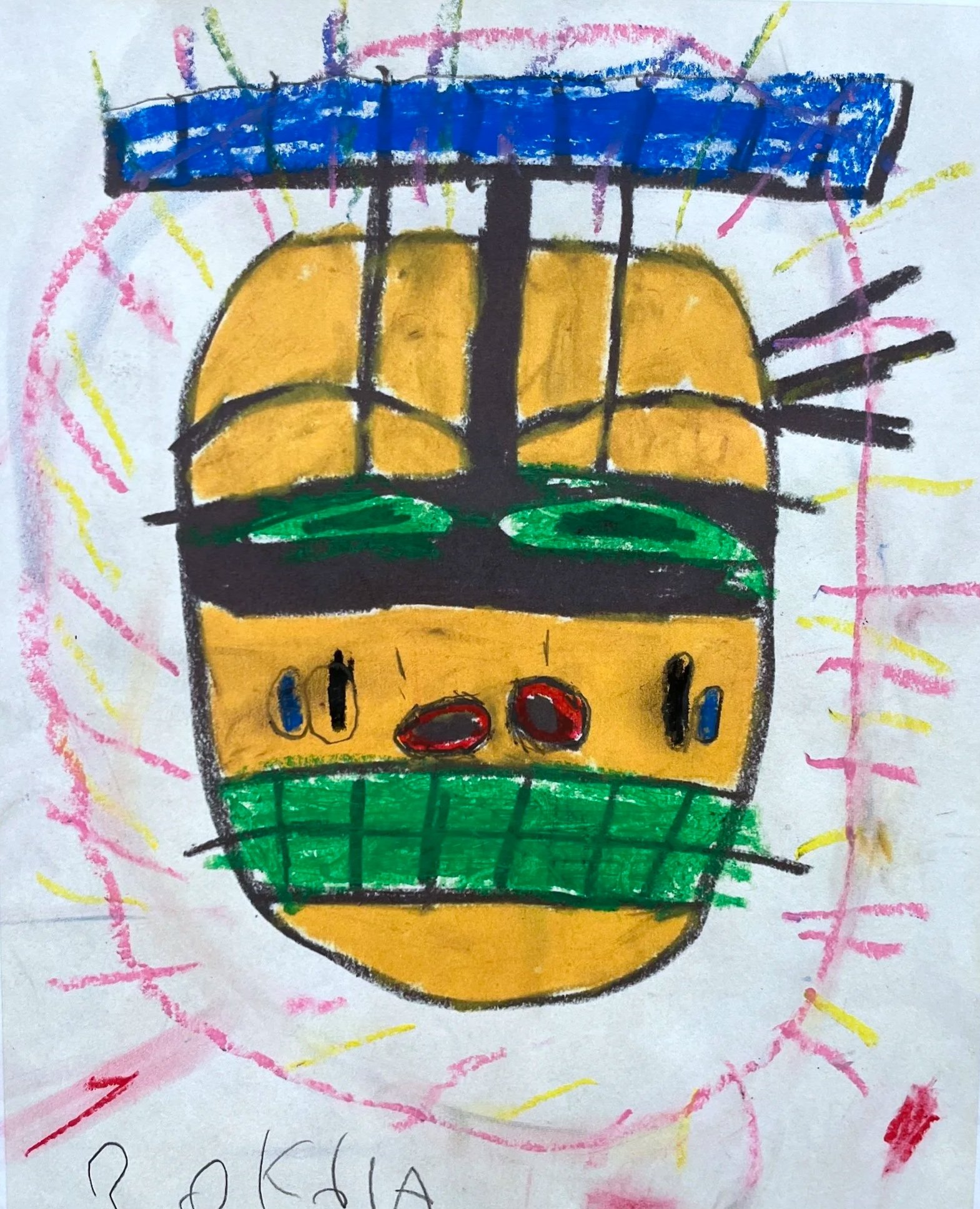
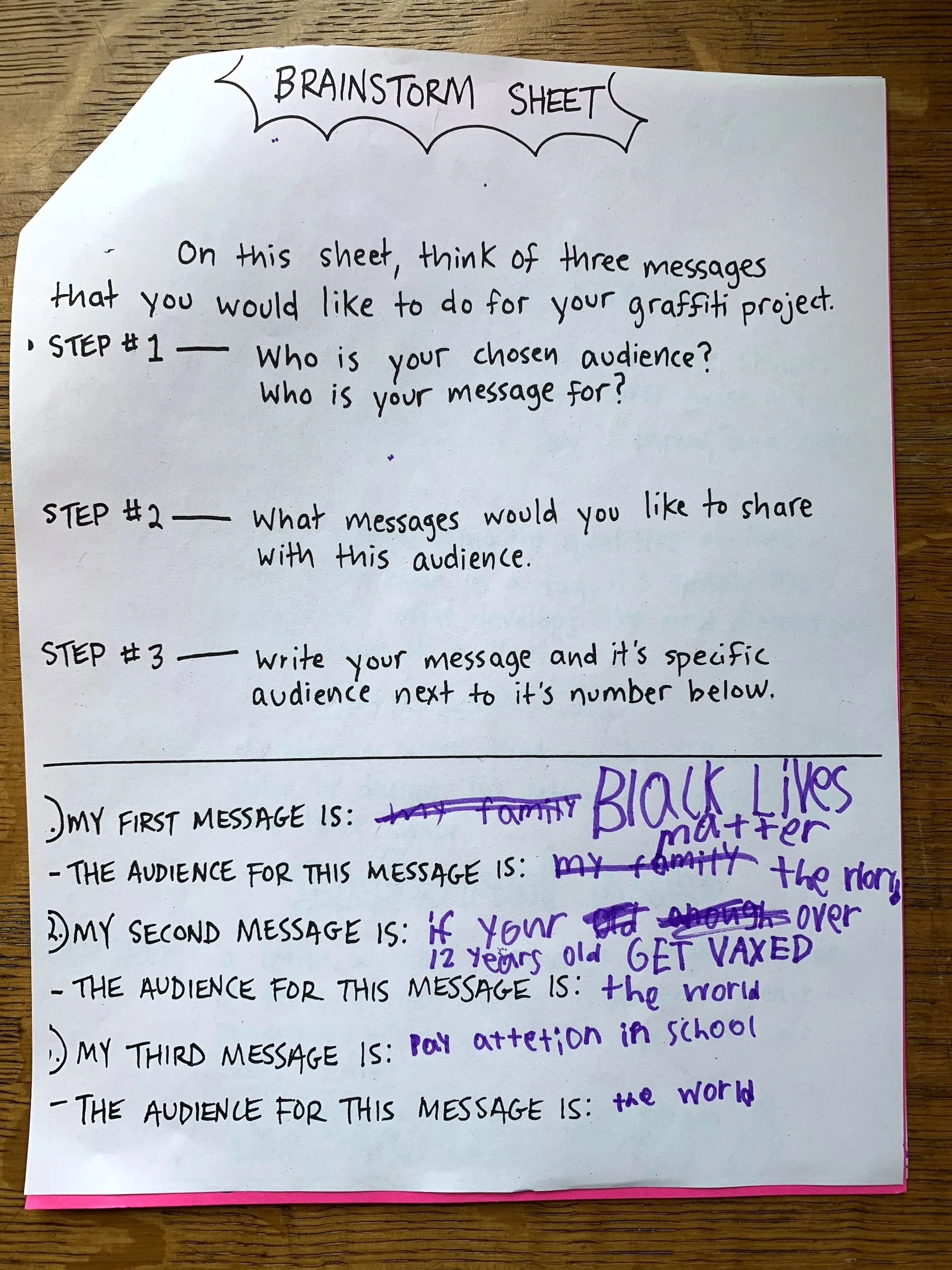
Align
*
Align *
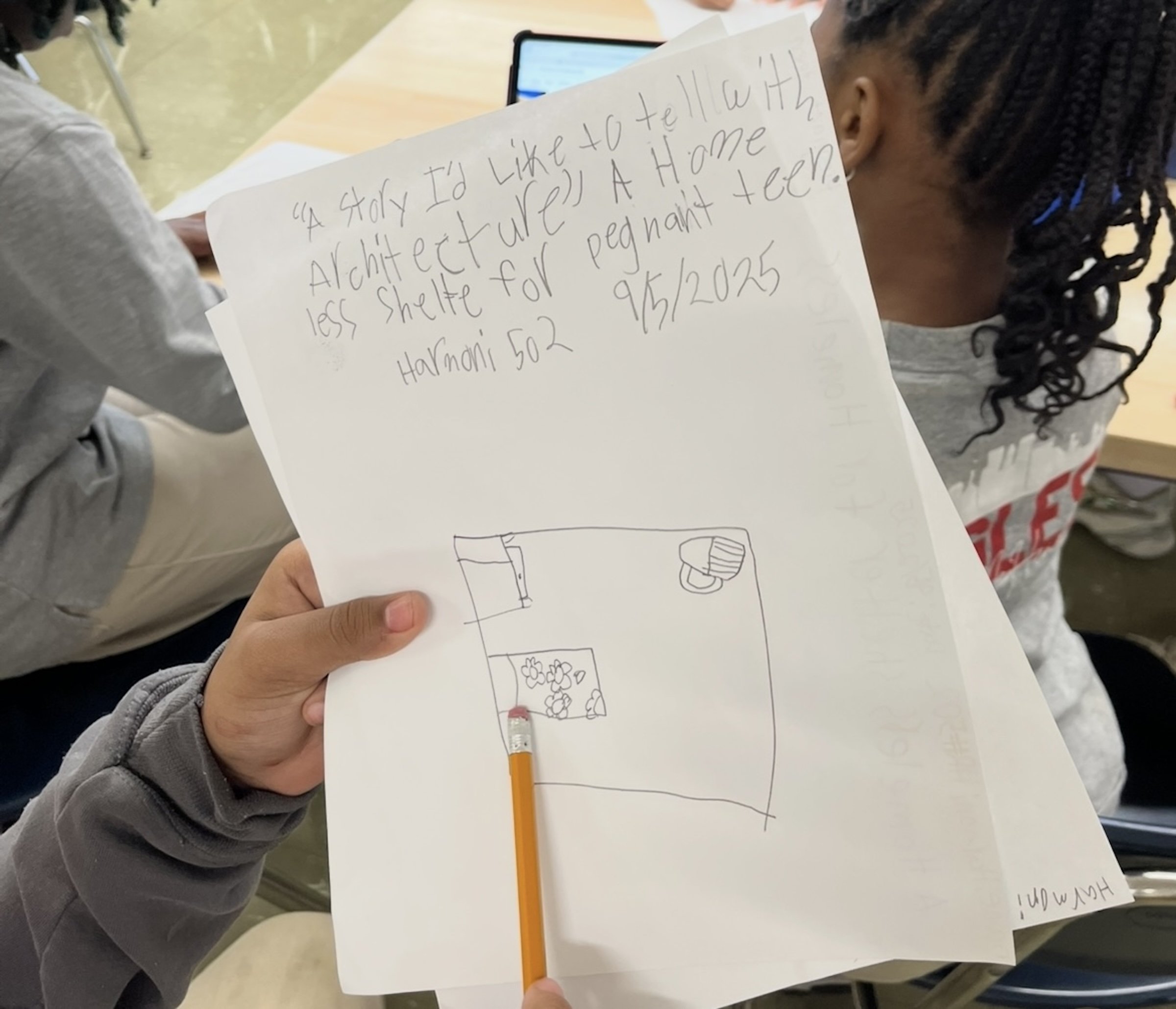
Objectives, activities, assessments, and supports are aligned so each element serves a clear purpose.
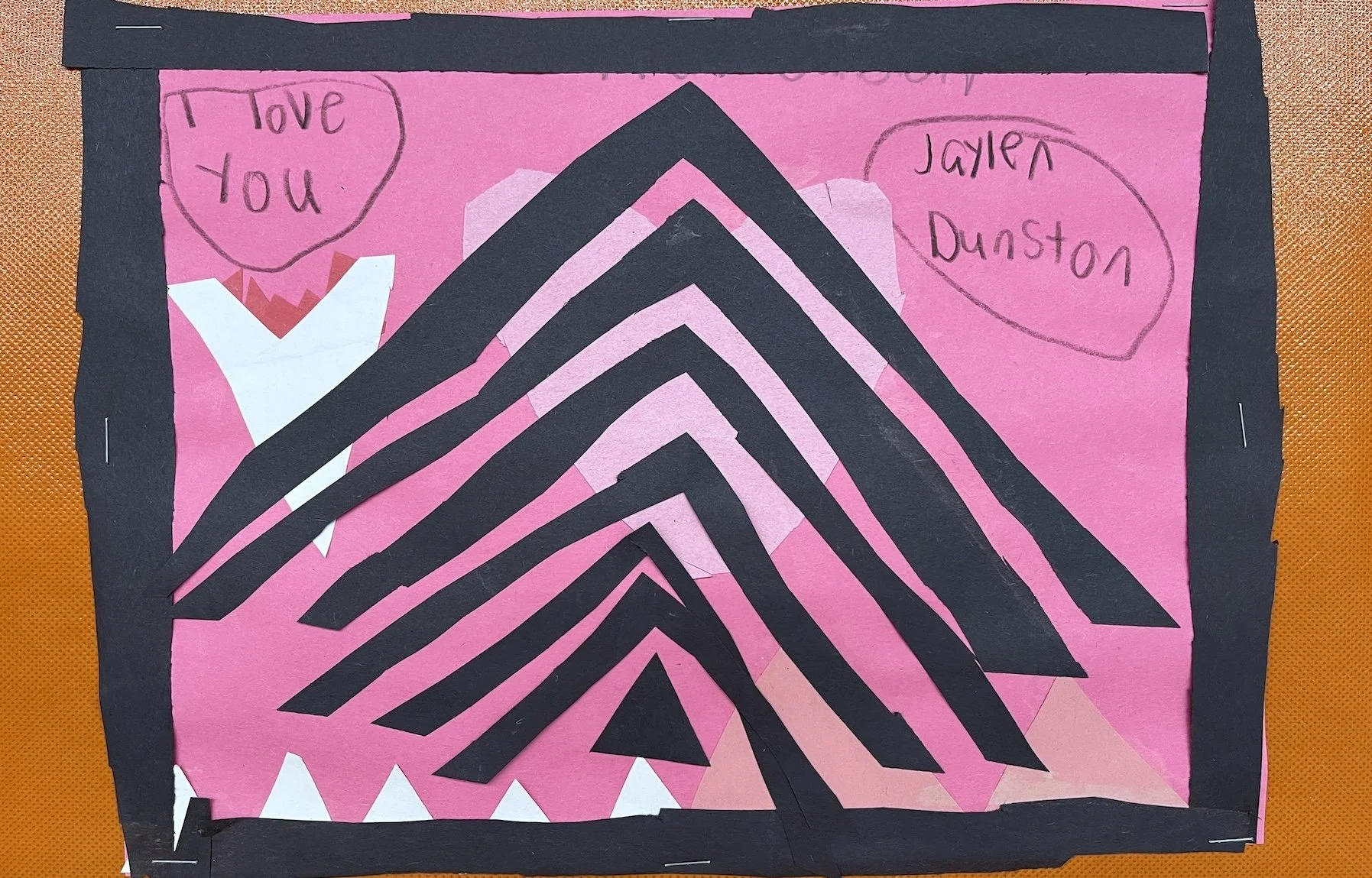
Design
*
Design *
Reflect
*
Reflect *
Feedback, observation, and learner outcomes guide revisions and strengthen the work.
Design
Turning discovery into meaningful learning experiences.
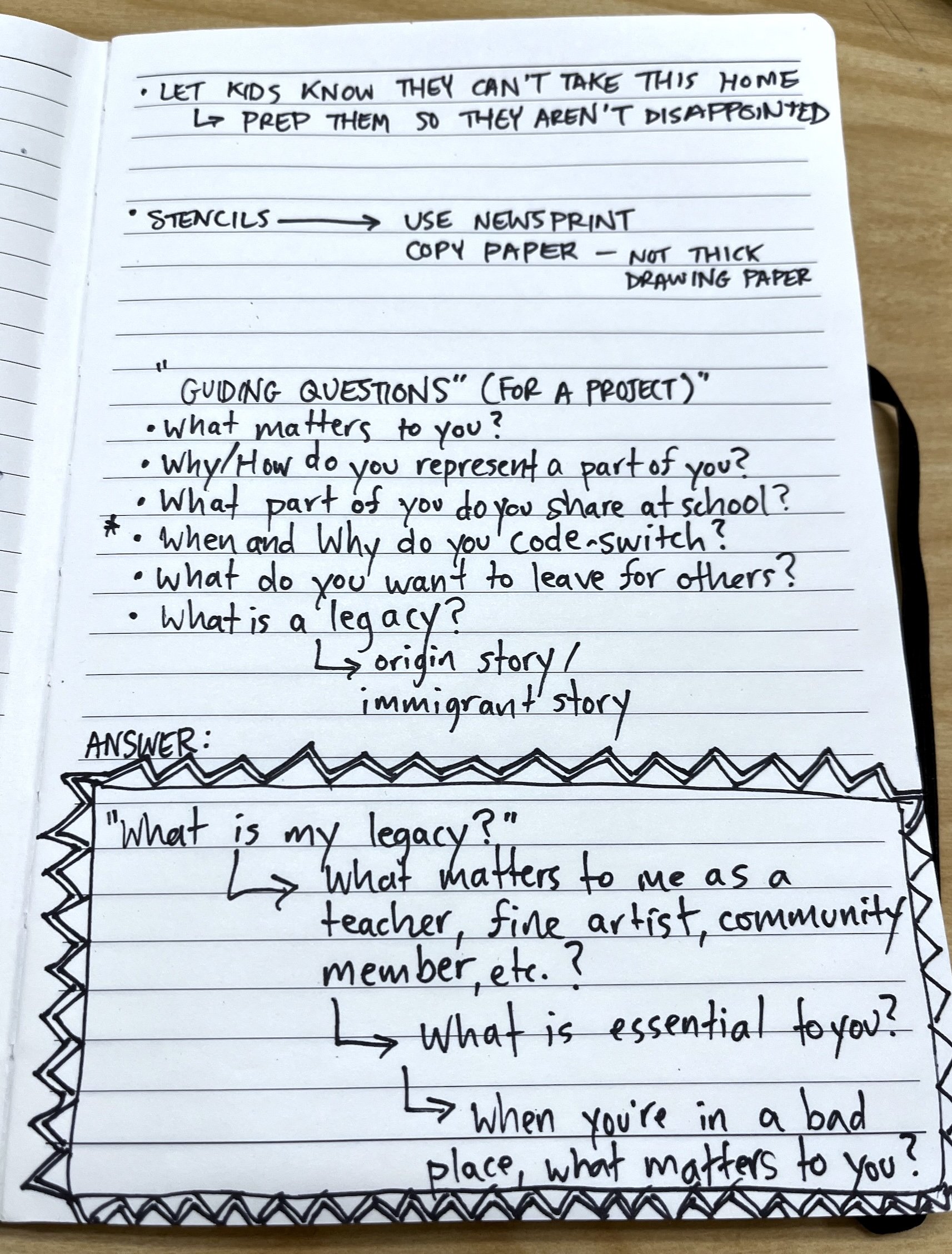
After identifying the learning need, audience, goals, and constraints, I move into design. This is where research, standards, learner needs, and creative direction become structured curriculum, lesson sequences, visual materials, assessments, and learner supports.
My design work balances clarity, creativity, accessibility, and purpose. Each learning experience is built to help learners understand what they are doing, why it matters, and how they can successfully move through the process.
Design
- Backward design
- Storyboarding
- Assessment planning
↓
What I Design
Learning Pathways
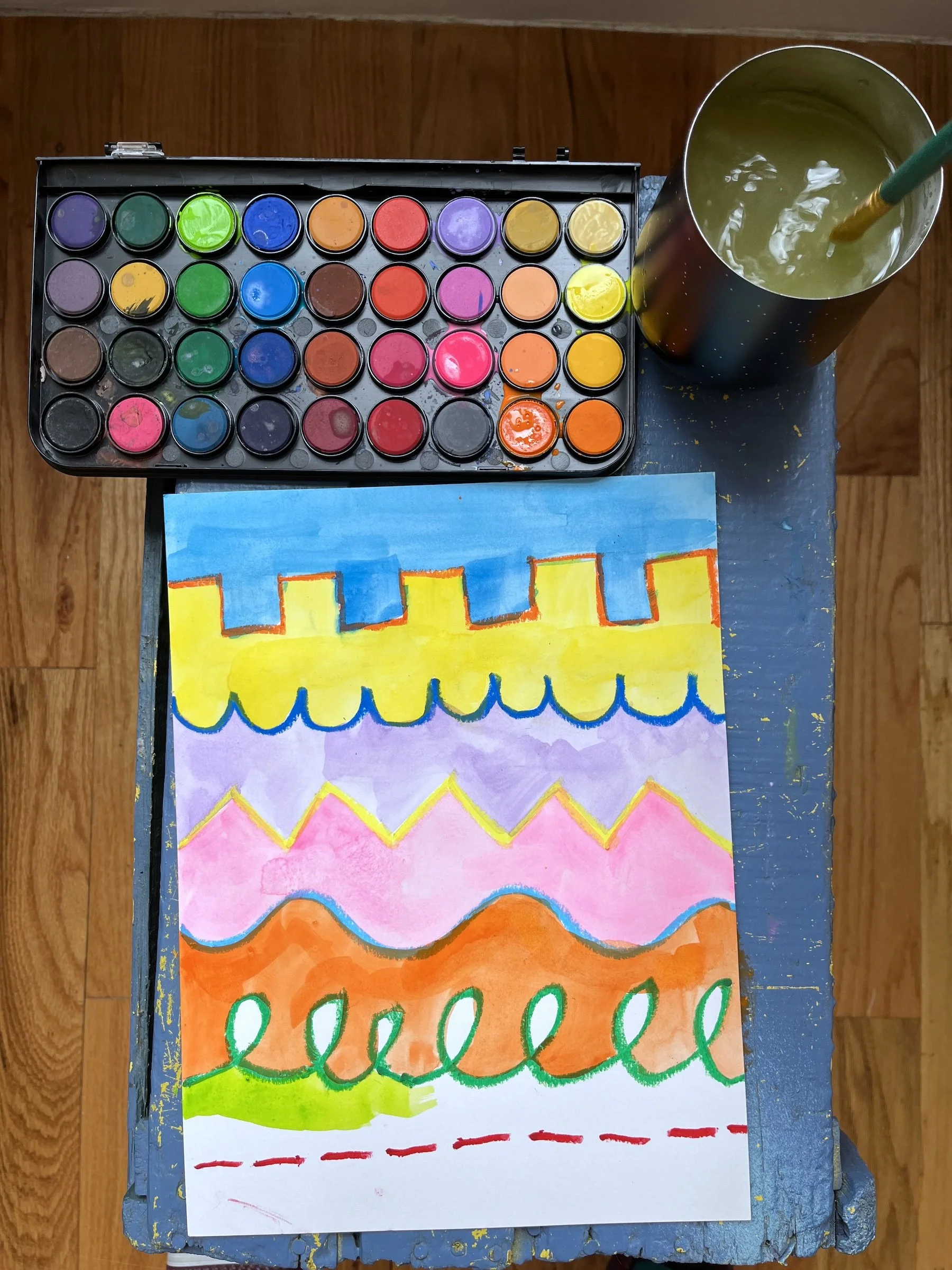
Content is organized into clear, purposeful sequences that guide learners from introduction to application.
Curriculum + Lesson Materials
Units, lessons, activities, slides, worksheets, rubrics, and resources are developed to support meaningful learning.
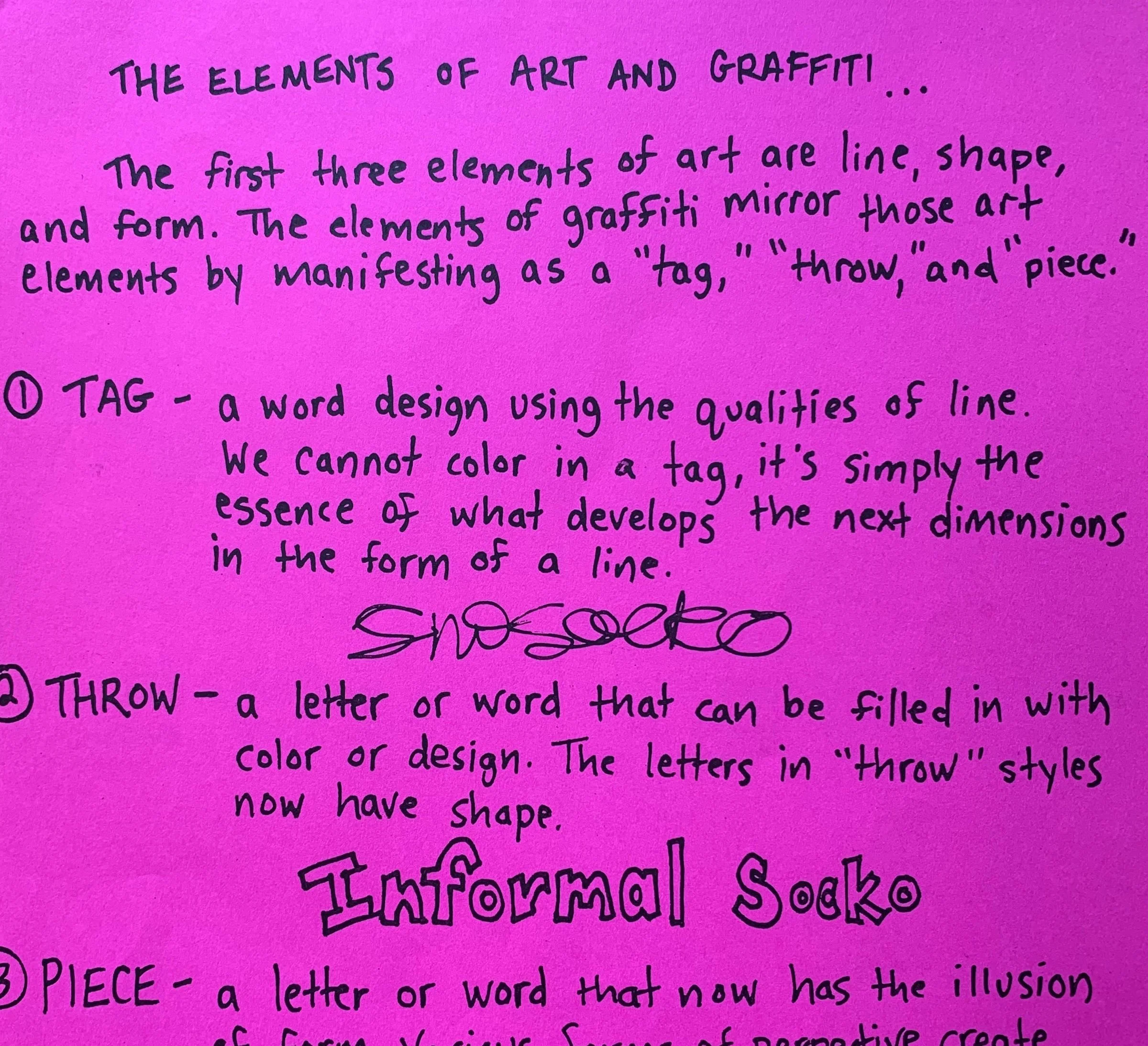
Visual Learning Supports
Materials are designed to be visually clear, engaging, and easy to navigate.
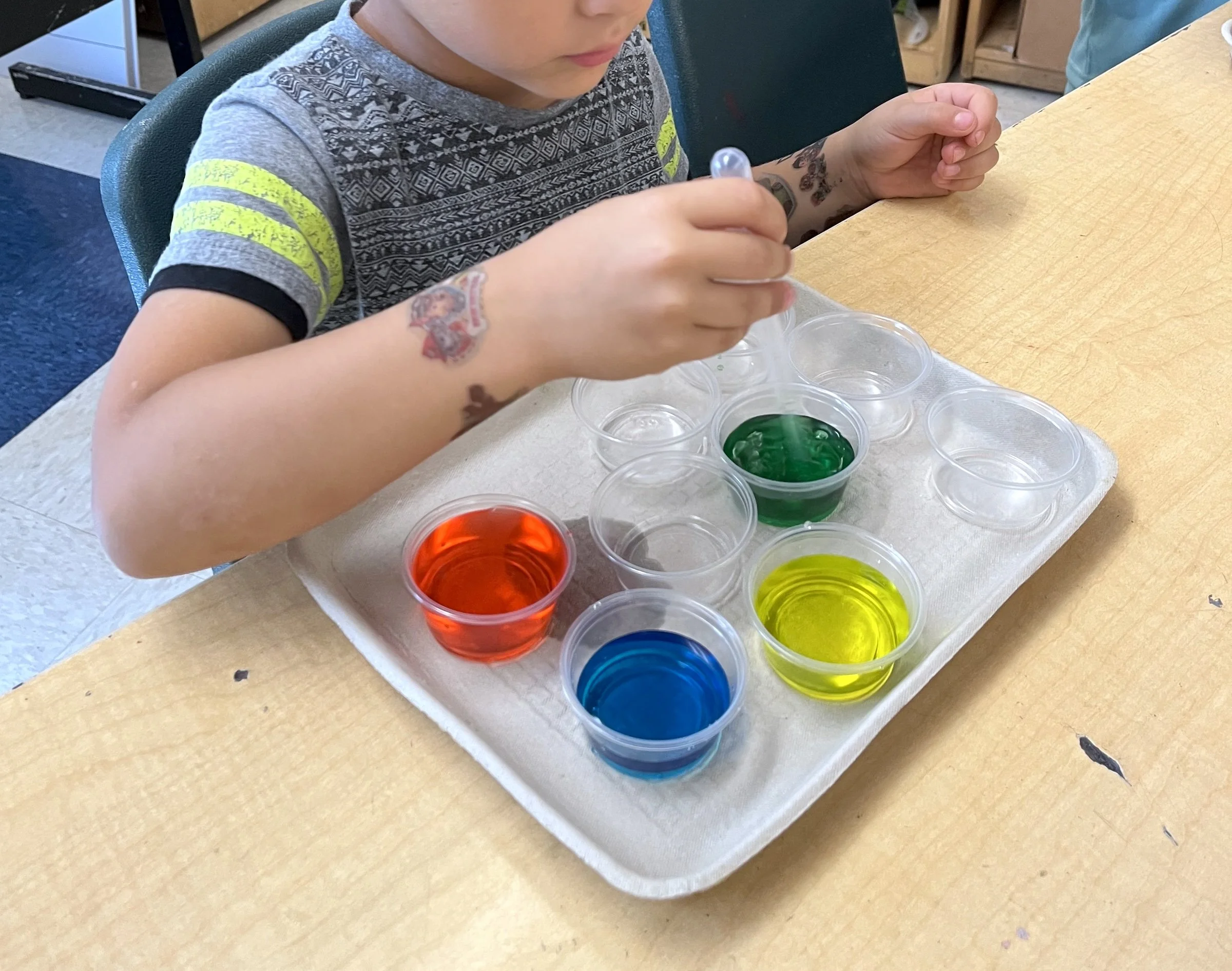
Assessment Tools
Rubrics, reflection prompts, exit tickets, and performance tasks are developed to measure understanding and growth.
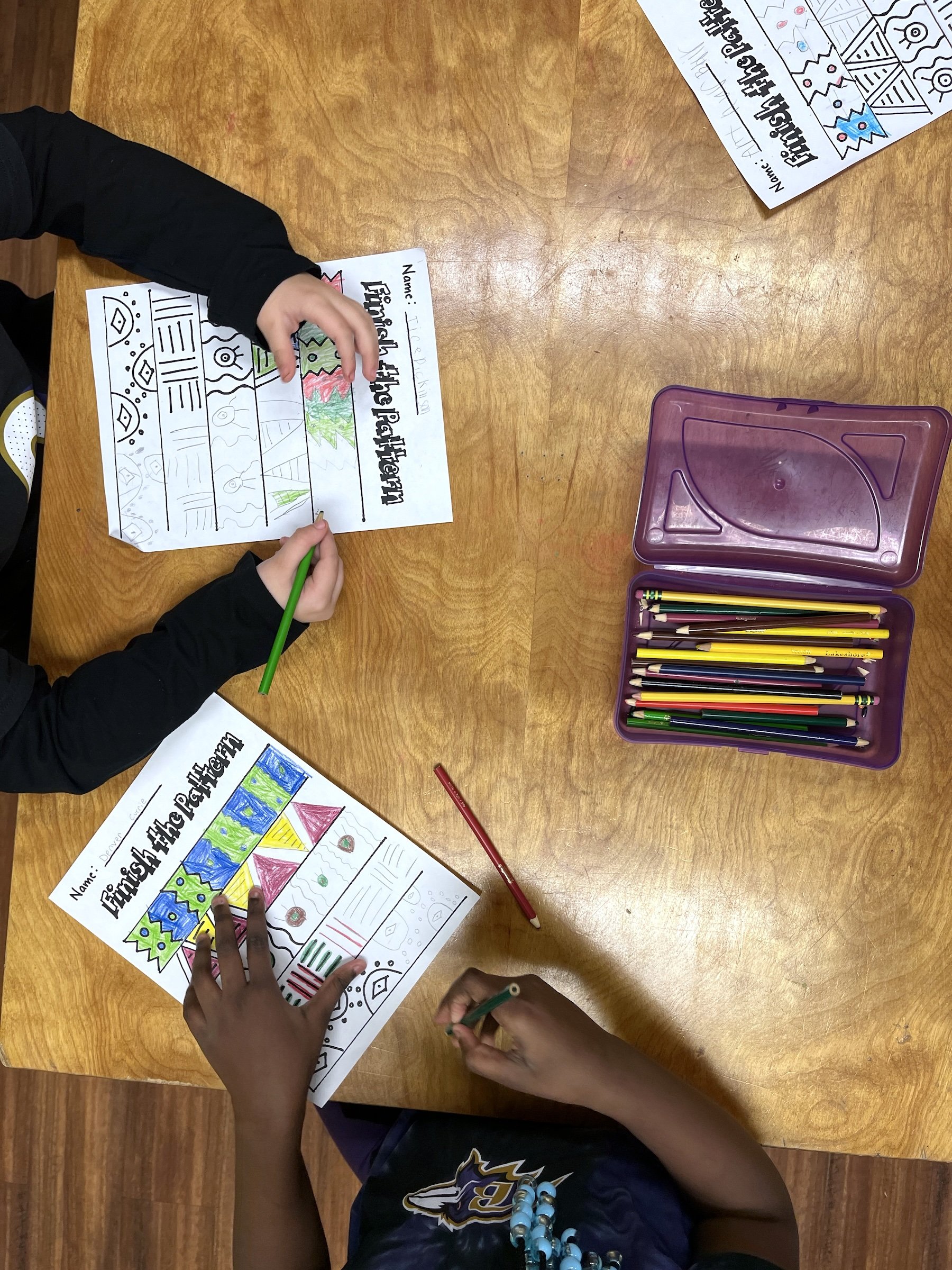
Differentiated Supports
Accessibility, language needs, developmental levels, learning styles, and classroom context are considered throughout the design process.
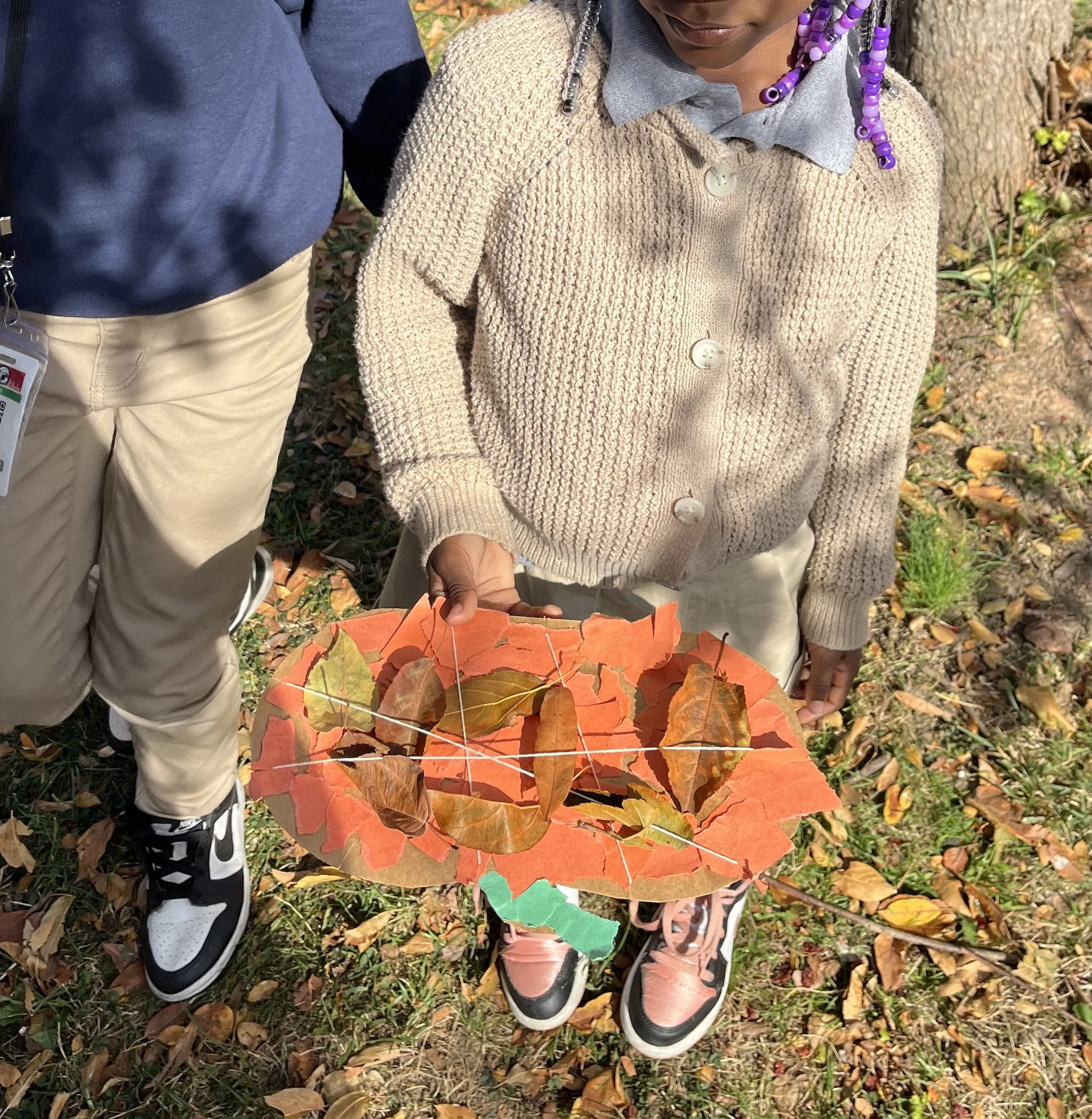
Design Approach
Learning experiences should be structured enough to support success and flexible enough to respond to real learners. The goal is to create materials that feel easy to navigate, thoughtful, visually engaging, and ready to use.
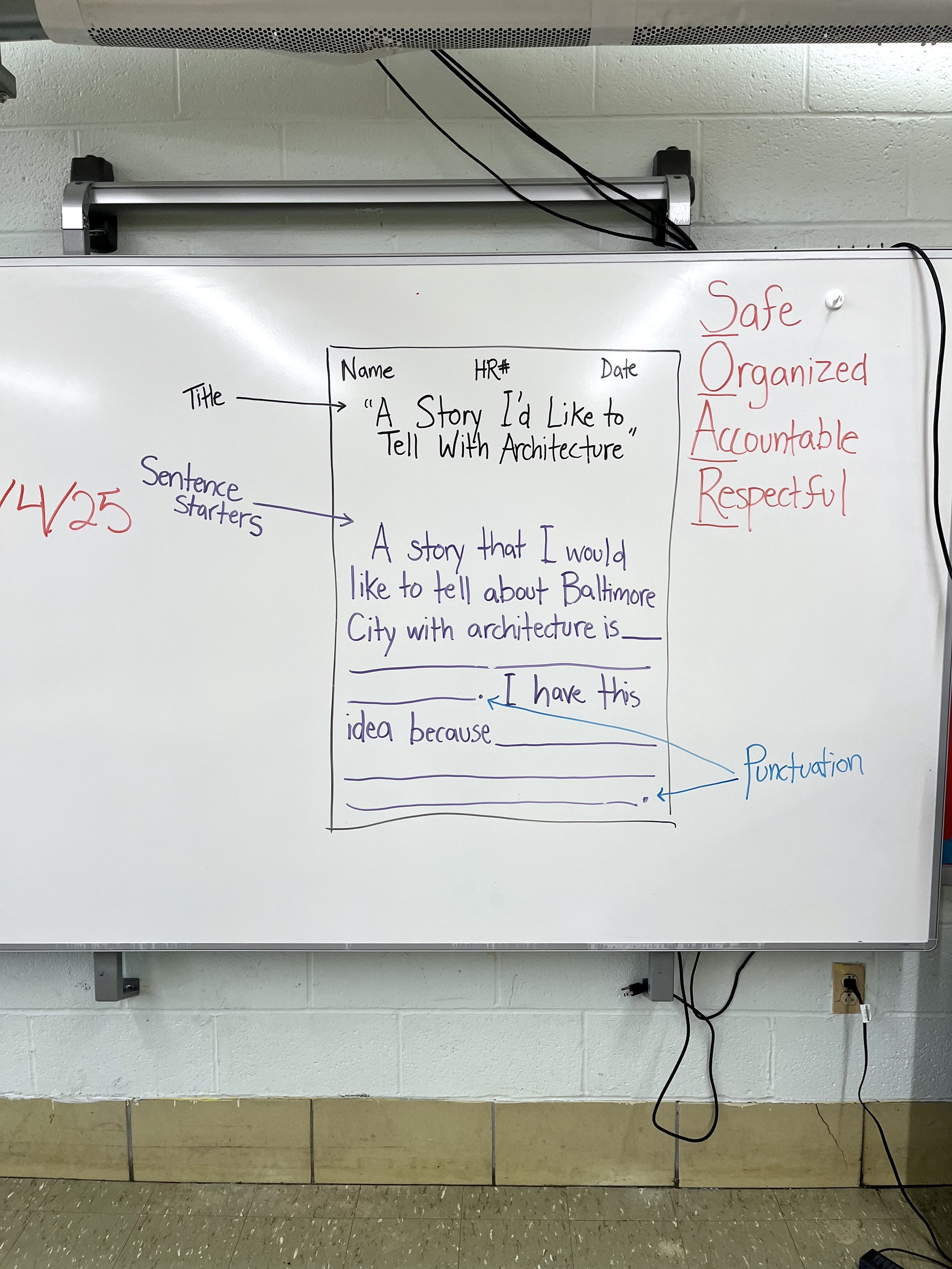
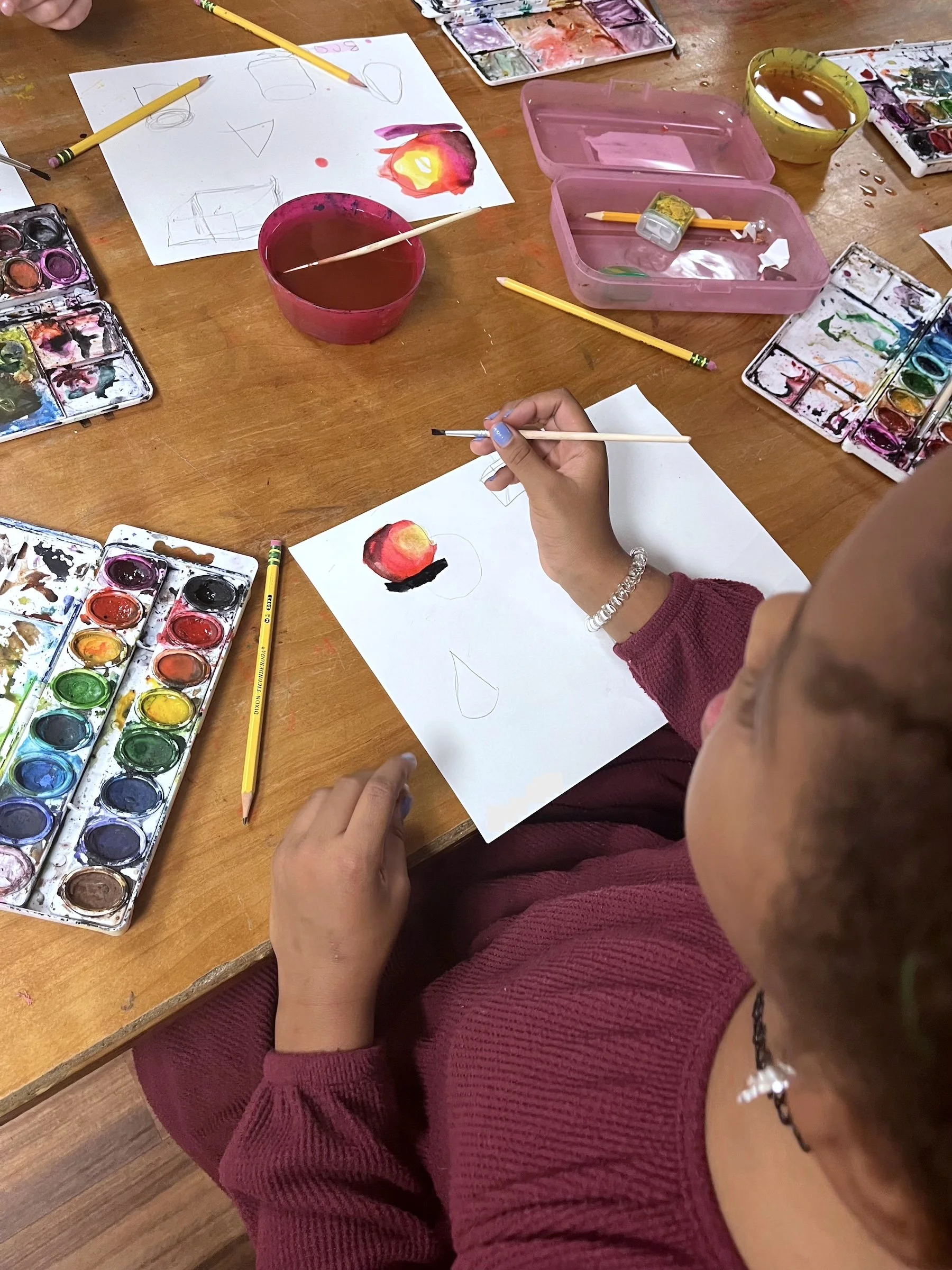
Once the structure and direction are designed, the development phase brings the learning experience into its final working form. This is where lesson plans, slides, worksheets, rubrics, visual resources, facilitator materials, and learner-facing tools are created, refined, and prepared for use.
Development focuses on clarity, accessibility, consistency, and ease of use. Each material is built to support both the learner and the person facilitating the experience.
Instructional Materials
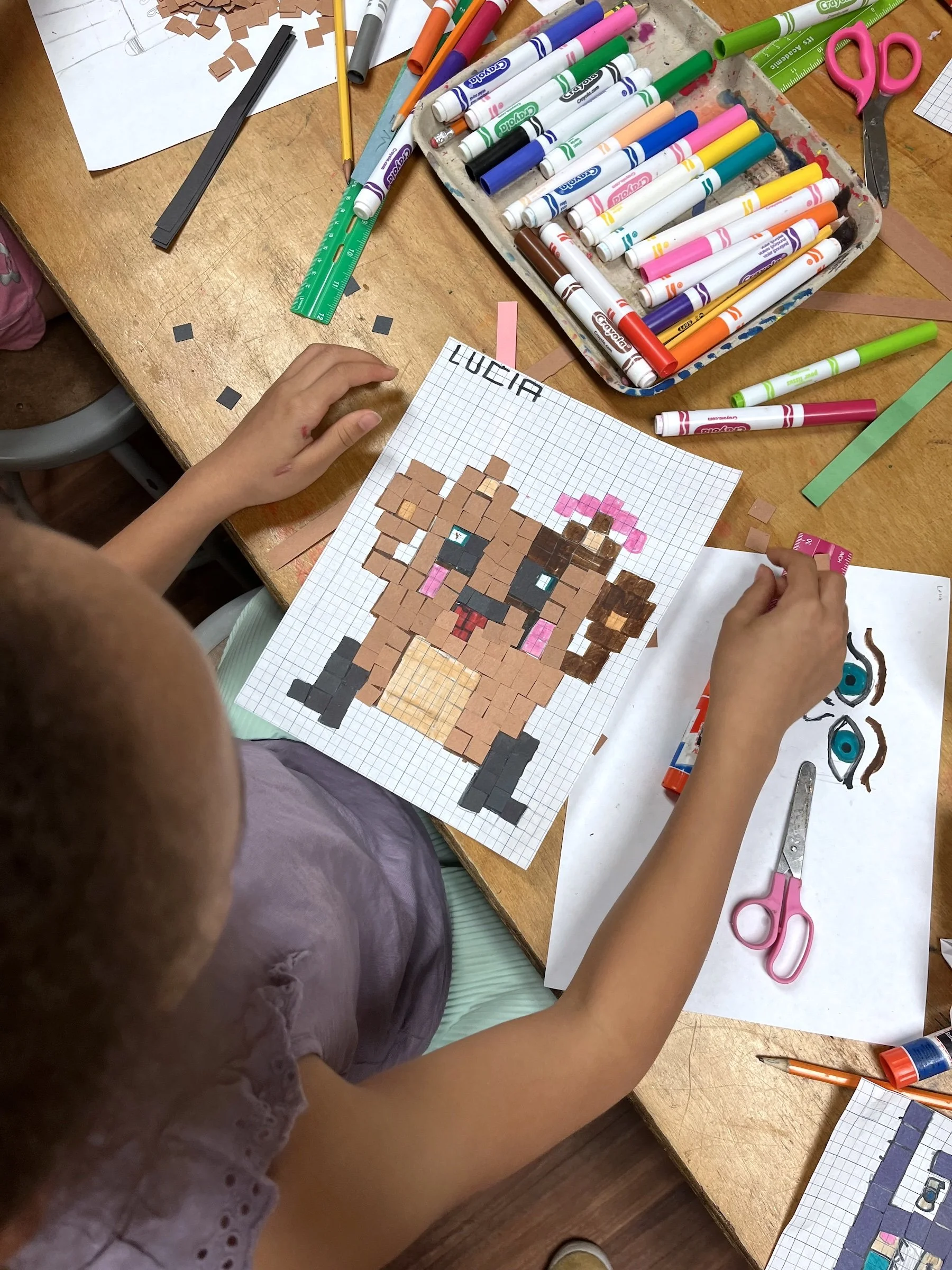
Lessons, activities, slides, handouts, worksheets, and guides are developed into complete learning resources.
Visual + Digital Assets
Graphics, layouts, templates, presentations, and learner supports are created to make information easier to understand and navigate.
Assessment + Reflection Tools
Rubrics, exit tickets, reflection prompts, performance tasks, and feedback tools are finalized to measure learning and growth.
Facilitator Supports
Teacher notes, pacing guides, discussion prompts, material lists, and implementation supports are prepared for smooth delivery.
Accessibility + Usability Review
Materials are reviewed for readability, structure, visual clarity, language support, developmental appropriateness, and learner access.
What this includes…

Creating learning materials that are accessible, practical, and ready for use.
Develop
Develop
Lessons -
Activities -
Visual Resources -
Rubric -
↓
Development Approach
Strong development turns ideas into usable learning tools. The goal is to create materials that are polished, practical, visually clear, and ready to support meaningful instruction.
Evaluate
Evaluate
Student feedback -
Reflection -
Revision -
Continuous improvement -
↓
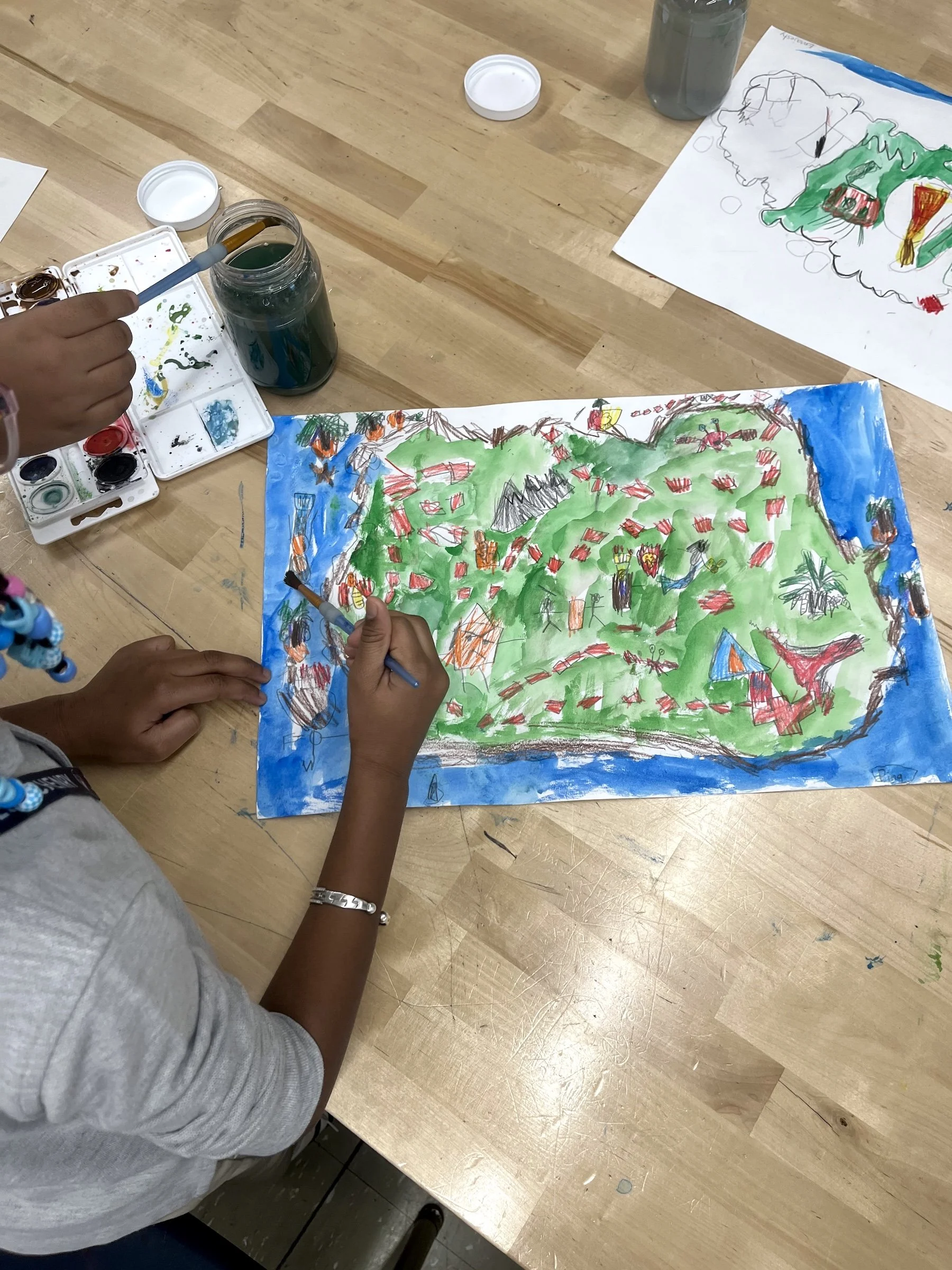
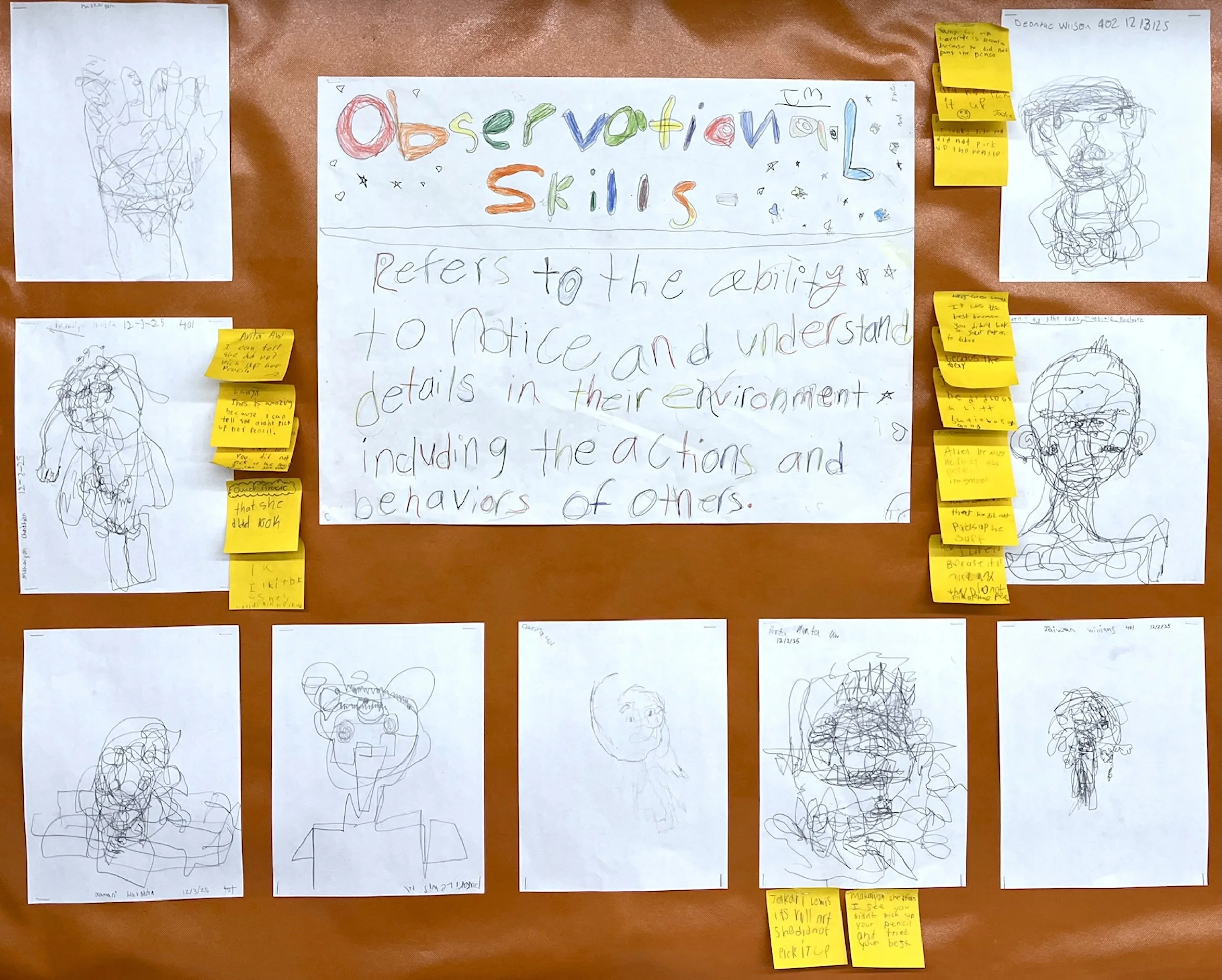
Evaluation is where the learning experience is revisited with care. This phase helps identify what supported learners, what created meaningful growth, and what could be strengthened.
Rather than an ending, evaluation becomes part of the process: a way to listen, reflect, and improve the work over time.
Measuring impact, reflecting on outcomes, and strengthening the learning experience.
Key Elements…
Learner Growth
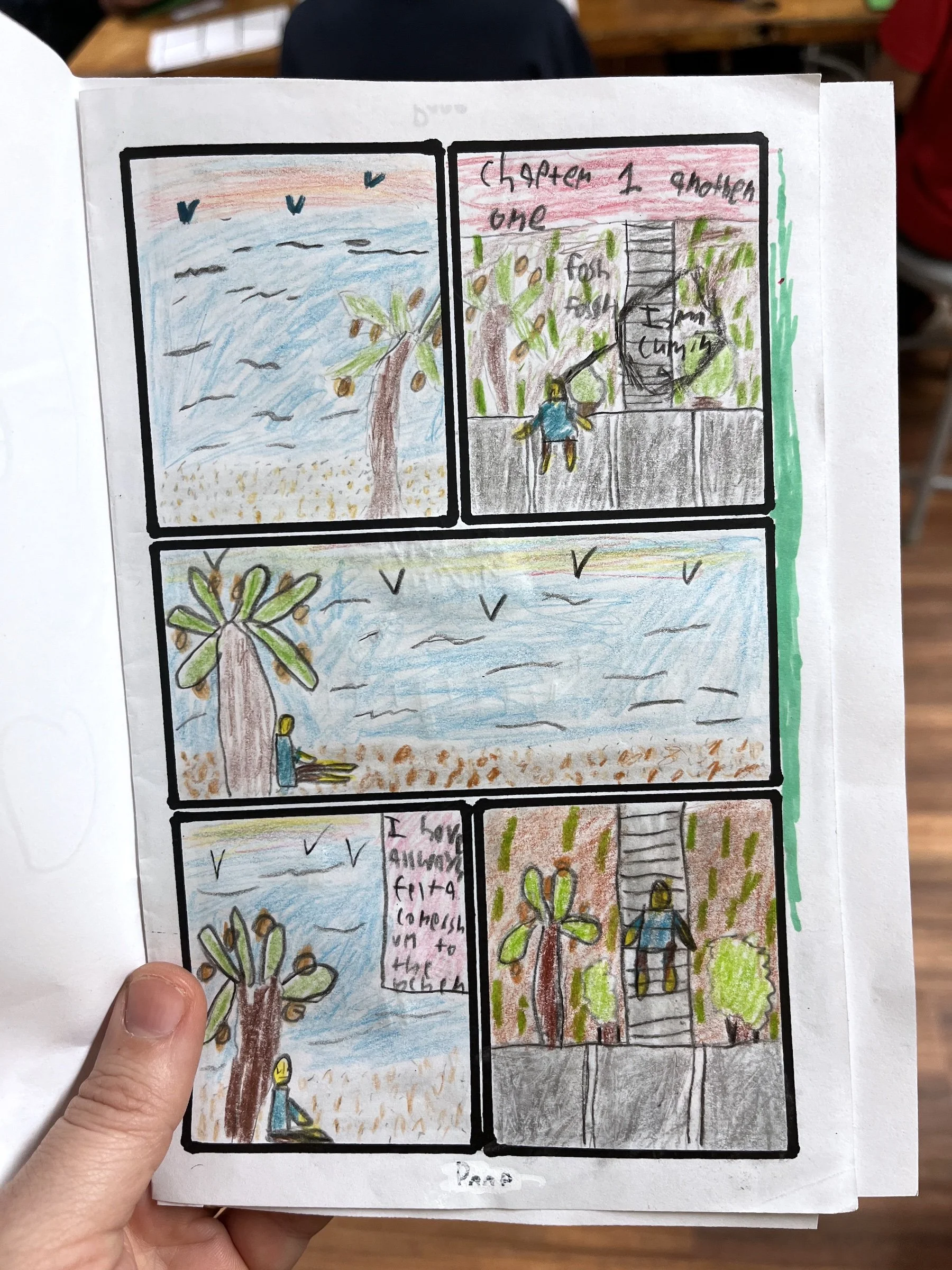
Student work, reflections, and outcomes are reviewed to understand what learners took from the experience.
Feedback & Observation
Learner feedback, facilitator notes, and classroom observations help reveal what worked and what needs more support.
Assessment Fit
Rubrics, exit tickets, and reflection tools are reviewed to make sure they connect clearly to the intended goals.
Revision + Refinement
Materials are adjusted to improve pacing, access, organization, and learner support.
Long-Term Growth
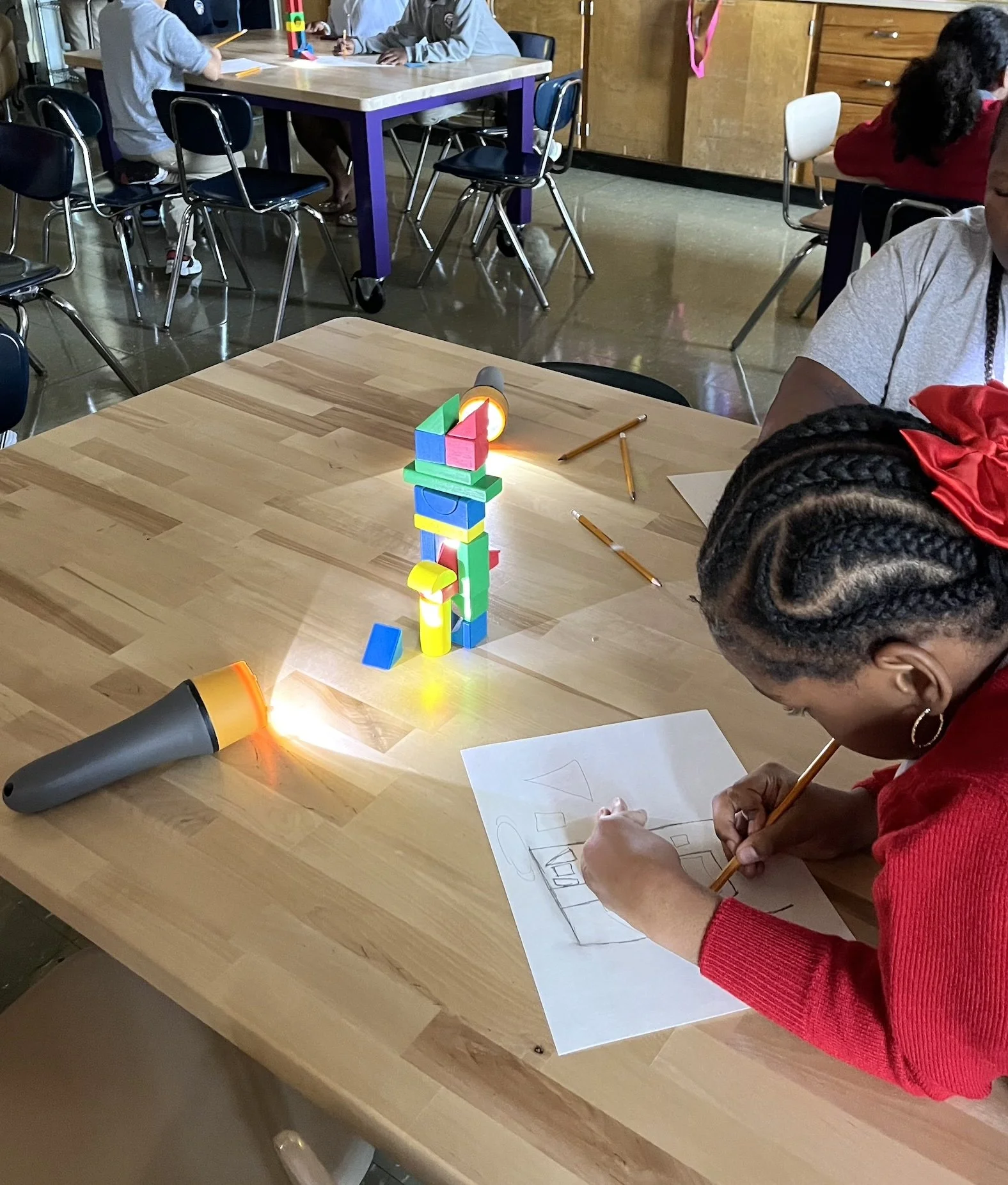
Each evaluation helps strengthen future lessons, curriculum units and design decisions.
Evaluation Approach
Evaluation keeps the work responsive. It creates space to listen, reflect, and improve the learning experience over time.